The Vital Connection Between Heart and Brain
Understanding how cardiovascular health directly influences cognitive function, emotional wellbeing, and longevity. Explore the science behind the heart-brain axis and how lifestyle choices ripple through both systems.
Why the Heart-Brain Connection Matters
-
Cardiovascular Function Fuels Mental Clarity
Your heart pumps oxygen-rich blood to your brain, directly affecting focus, memory, and cognitive performance throughout the day.
-
The Vagus Nerve Creates a Two-Way Highway
This major nerve transmits signals between heart and brain, influencing heart rate variability, stress response, and emotional regulation.
-
Blood Pressure Stability Protects Cognitive Health
Healthy blood pressure reduces the risk of cognitive decline and supports long-term brain health as we age.
-
Inflammation Links Both Systems
Systemic inflammation affects both cardiovascular and neurological health, making anti-inflammatory lifestyle practices essential for both.

The information on this site is for educational purposes only and does not constitute medical advice. Always consult a qualified healthcare professional before making health decisions.
Key Health Connections
Six fundamental ways your cardiovascular system and brain function work in tandem to support overall wellbeing.
Heart Rate Variability and Stress Resilience
Heart rate variability (HRV) reflects your nervous system's adaptability. Higher HRV correlates with better stress management, improved emotional regulation, and stronger cognitive performance under pressure.
Aerobic Capacity and Memory Formation
Cardiovascular fitness directly increases blood flow to the hippocampus, the brain region responsible for memory storage. Regular aerobic activity strengthens both heart endurance and cognitive retention.
Vascular Health and Neuroplasticity
Healthy blood vessels ensure optimal nutrient and oxygen delivery to neurons, enabling neuroplasticity—the brain's ability to form new neural connections and adapt throughout life.
Metabolic Sync and Energy Balance
The heart and brain together regulate glucose metabolism and energy distribution. When both systems function optimally, you experience sustained mental energy and emotional stability throughout the day.
Immune System Coordination
Cardiovascular and neurological health jointly support immune function. A healthy heart-brain axis strengthens your body's ability to resist infection and maintain overall resilience.
Sleep Architecture and Recovery
Both the cardiovascular system and brain rely on quality sleep for restoration. Healthy heart function supports deep sleep cycles, while the brain consolidates memories and clears metabolic waste during rest.
Visual Journey of Cardiovascular-Cognitive Health
See how different aspects of heart-brain integration work together to support optimal wellbeing.
Arterial Health and Brain Perfusion
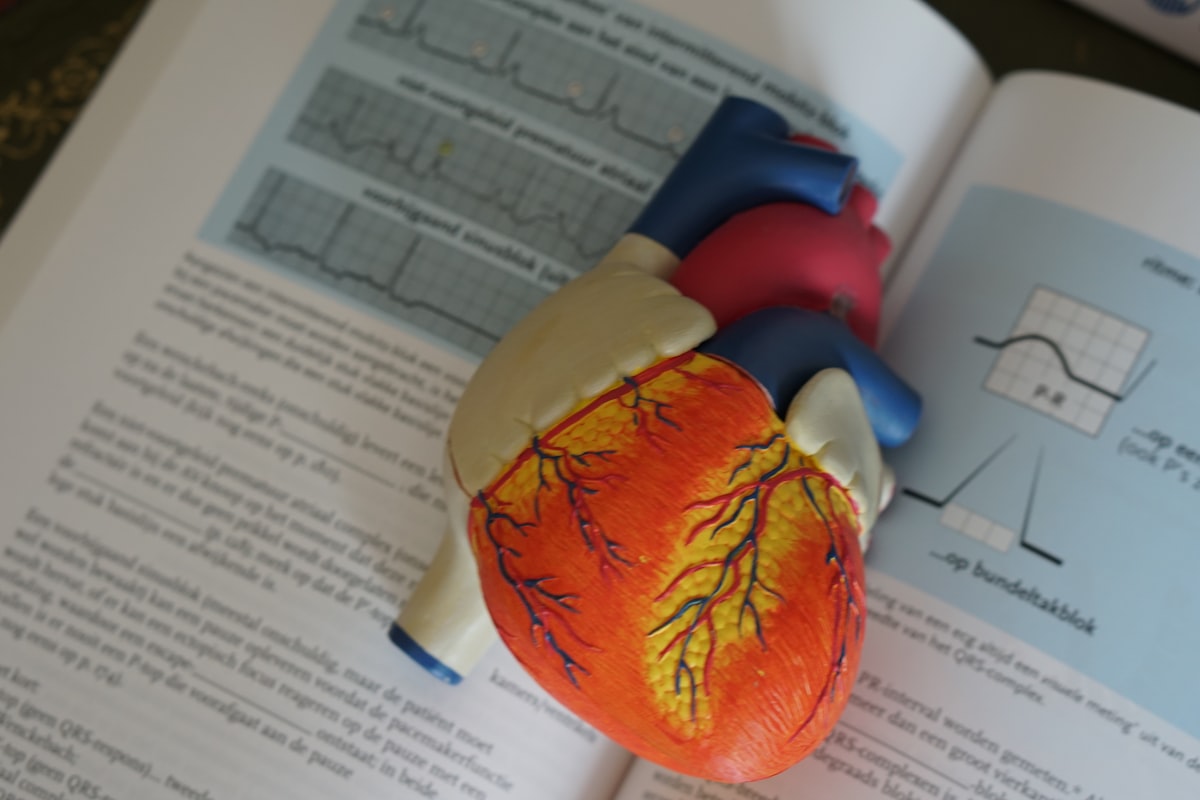
Healthy arteries ensure consistent blood flow, delivering oxygen and nutrients to every brain region. This supports cognitive function and reduces risk factors for cognitive decline.

Neurological Wellness and Emotional Balance
The brain-heart pathway governs mood regulation, stress response, and emotional resilience. When both systems are healthy, emotional wellbeing naturally follows.
How to Support Your Heart-Brain Connection
A practical framework for integrating heart and brain health into your daily routine.
Build Aerobic Fitness
Consistent moderate-intensity exercise strengthens your heart while increasing cerebral blood flow. Aim for 150 minutes weekly of activities you genuinely enjoy—walking, cycling, swimming, or dancing all count.
Prioritise Sleep Quality
Both your heart and brain need consistent, restorative sleep. Aim for 7-9 hours nightly with a regular sleep schedule. Quality sleep reduces inflammation and supports cardiovascular and cognitive health.
Manage Stress Actively
Chronic stress elevates blood pressure and impairs cognitive function. Incorporate daily practices like meditation, breathwork, or time in nature to activate your parasympathetic nervous system and calm both heart and mind.
Eat for Both Systems
Choose whole foods rich in omega-3 fatty acids, antioxidants, and minerals. Mediterranean-style eating patterns support both cardiovascular function and brain health through reduced inflammation and improved vascular function.

Common Questions About Heart-Brain Health
Clear, evidence-based answers to help you understand this vital connection.
How quickly can I improve my heart-brain connection?
You may notice improvements within 2-4 weeks of consistent lifestyle changes. Cardiovascular fitness gains appear gradually over 8-12 weeks, whilst cognitive benefits from better sleep and stress management often emerge sooner. Brain plasticity means benefits compound over time with sustained effort.
Does exercise alone improve cognitive function?
Exercise is powerful but works best combined with other factors. Physical activity increases blood flow to the brain and supports neuroplasticity, but adding sleep quality, stress management, and whole-food nutrition multiplies these benefits significantly.
Can I improve heart-brain health at any age?
Absolutely. The brain maintains neuroplasticity throughout life, and the cardiovascular system responds to improved habits at any age. Whilst starting younger offers advantages, meaningful improvements occur even in later years through consistent lifestyle practice.
How does stress directly affect both systems?
Chronic stress triggers sustained cortisol release, raising blood pressure and inflammation whilst impairing memory and focus. This creates a negative feedback loop. Stress-management practices interrupt this pattern by activating the parasympathetic nervous system, calming both heart and mind.
What role does nutrition play?
Nutrition provides the building blocks for both systems. Omega-3 fatty acids support brain cell membranes and cardiovascular health. Antioxidants reduce inflammation in both heart and brain. B vitamins support energy production, whilst minerals like magnesium regulate heart rhythm and nervous system function.
How do I measure improvements in heart-brain health?
Notice subjective markers first: improved energy, better sleep, clearer thinking, and mood stability. Monitor objective indicators like resting heart rate (should gradually decrease), exercise performance, and consistency in habits. Consider tracking sleep quality and energy throughout the day as reliable wellness indicators.
Real Stories, Real Results (Individual results may vary)
Read how people across the UK have strengthened their heart-brain connection and experienced meaningful shifts in energy, focus, and wellbeing.
"After three months of consistent morning walks and better sleep, my focus at work completely changed. I'm sharper and feel less anxious. This information about the heart-brain connection finally made me understand why these changes matter."
Sarah M.
Manchester
"The articles here helped me understand why my anxiety was linked to my cardiovascular habits. Once I started addressing both together—exercise, breathwork, and better food choices—everything improved. My doctor noticed the change too, and I finally feel in control of my health."
James H.
Bristol
"I used to think heart health and mental clarity were separate issues. Understanding how connected they are changed my whole approach to wellness. Now when I work on one, I naturally improve the other. The practical guidance here is genuinely transformative."
Emma L.
Leeds
Start Your Heart-Brain Wellness Journey Today
Dive deeper into the science and practical strategies behind cardiovascular-cognitive health. Explore our comprehensive articles, research insights, and evidence-based lifestyle guidance.
Questions about our content? Send us feedback — our editorial team welcomes your insights and inquiry.
Cardiovascular Insights
Deep dives into heart health, blood flow dynamics, and vascular function.
Cognitive Health
Evidence-based strategies for memory, focus, and mental clarity.
Lifestyle Integration
Practical approaches to exercise, nutrition, sleep, and stress.
Research & Science
Latest findings on the heart-brain axis and longevity science.